As a supplier of auto bracket parts, I've witnessed firsthand the significant impact that extreme temperatures can have on these crucial components. Auto bracket parts play a vital role in securing various automotive systems, from engines to exhausts, and their performance under different temperature conditions is of utmost importance. In this blog, I'll explore the effects of extreme temperatures on auto bracket parts and how these effects can influence the overall performance and longevity of vehicles.
Effects of High Temperatures
Material Expansion
One of the most immediate effects of high temperatures on auto bracket parts is material expansion. Most metals used in the manufacturing of auto brackets, such as steel and aluminum, expand when heated. This expansion can lead to dimensional changes in the brackets, which may affect their fit and functionality. For example, if a bracket is designed to hold a specific component in place with a tight tolerance, the expansion caused by high temperatures could loosen the fit, potentially leading to vibrations or misalignment.
Reduced Material Strength
High temperatures can also reduce the strength of the materials used in auto bracket parts. As the temperature rises, the atomic structure of metals becomes more disordered, which weakens the bonds between atoms. This reduction in strength can make the brackets more susceptible to deformation and failure under load. In extreme cases, the brackets may even break, leading to serious safety issues.
Oxidation and Corrosion
Another consequence of high temperatures is the increased rate of oxidation and corrosion. When exposed to high temperatures and oxygen, metals can form oxide layers on their surfaces. These oxide layers can weaken the metal and make it more prone to corrosion. Additionally, high temperatures can accelerate the chemical reactions that cause corrosion, such as the reaction between metal and moisture in the air. Corrosion can not only reduce the strength of the brackets but also lead to aesthetic issues, such as rusting.
Effects of Low Temperatures
Material Contraction
Just as high temperatures cause material expansion, low temperatures cause material contraction. When the temperature drops, the atoms in metals move closer together, resulting in a decrease in volume. This contraction can cause the brackets to shrink, which may lead to a tight fit or even cracking if the material is unable to accommodate the change in size.
Brittleness
Low temperatures can also make metals more brittle. As the temperature decreases, the mobility of dislocations in the metal lattice decreases, making it more difficult for the metal to deform plastically. Instead, the metal is more likely to fracture under stress, leading to sudden and catastrophic failure. This brittleness can be particularly dangerous in applications where the brackets are subjected to impact or vibration.


Lubrication Issues
In addition to the effects on the bracket materials themselves, low temperatures can also affect the lubrication of moving parts. Lubricants can thicken or even solidify at low temperatures, reducing their effectiveness in reducing friction and wear. This can lead to increased wear on the brackets and other components, as well as reduced performance and efficiency.
Mitigating the Effects of Extreme Temperatures
Material Selection
One of the most effective ways to mitigate the effects of extreme temperatures on auto bracket parts is through proper material selection. Different metals have different thermal properties, and choosing a material that is suitable for the expected temperature range can help to minimize the impact of temperature changes. For example, stainless steel is known for its high resistance to corrosion and oxidation, making it a good choice for applications in high-temperature environments. Aluminum, on the other hand, has a relatively low density and good thermal conductivity, making it suitable for applications where weight and heat dissipation are important.
Design Considerations
The design of the auto bracket parts can also play a crucial role in their performance under extreme temperatures. For example, providing sufficient clearance between the bracket and the component it is holding can help to accommodate the expansion and contraction caused by temperature changes. Additionally, using flexible or adjustable designs can help to reduce the stress on the brackets and prevent cracking or deformation.
Surface Treatments
Surface treatments can also be used to improve the performance of auto bracket parts under extreme temperatures. For example, applying a protective coating, such as a powder coating or an electroplated finish, can help to prevent oxidation and corrosion. Additionally, using a lubricant or anti-seize compound can help to reduce friction and wear, especially in low-temperature environments.
Our Solutions as an Auto Bracket Parts Supplier
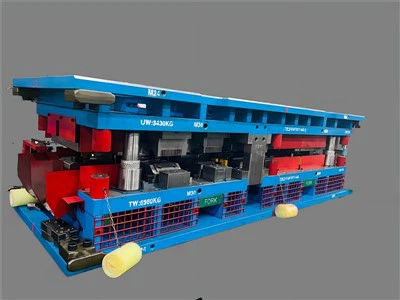
At our company, we understand the importance of providing high-quality auto bracket parts that can withstand extreme temperatures. That's why we offer a wide range of products made from high-quality materials and manufactured using advanced processes. Our Casting Progressive Die technology allows us to produce complex bracket shapes with high precision and consistency. We also offer single casting die and Custom Stamping Dies to meet the specific needs of our customers.
In addition to our high-quality products, we also provide comprehensive technical support and after-sales service. Our team of experts can help you select the right materials and designs for your applications, as well as provide advice on how to install and maintain the brackets to ensure optimal performance.
Conclusion
Extreme temperatures can have a significant impact on the performance and longevity of auto bracket parts. By understanding the effects of high and low temperatures on these components and taking appropriate measures to mitigate these effects, we can ensure that the brackets perform reliably and safely in all conditions. As a leading supplier of auto bracket parts, we are committed to providing our customers with high-quality products and solutions that meet their needs. If you are interested in learning more about our products or have any questions, please don't hesitate to contact us for procurement discussions.
References
- ASM Handbook Volume 2: Properties and Selection: Nonferrous Alloys and Special-Purpose Materials
- Metals Handbook Desk Edition, Third Edition
- Automotive Materials and Manufacturing Processes, Second Edition