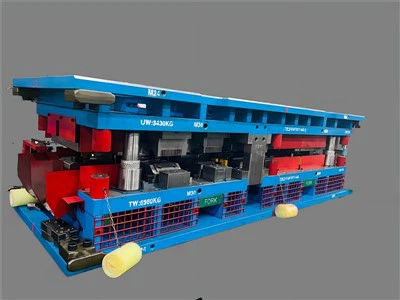
As a seasoned supplier of stamping parts, I've witnessed firsthand the challenges that come with ensuring the quality of these components. Stamping is a manufacturing process used to convert flat sheet metal into various shapes, from simple brackets to complex automotive parts. While it's a highly efficient and cost - effective method, stamping parts can sometimes suffer from common defects. In this blog, I'll discuss these defects and share some practical solutions.
Common Defects in Stamping Parts
1. Cracks
Cracks are one of the most serious defects in stamping parts. They can occur during the stamping process due to excessive stress, improper material selection, or incorrect die design. For instance, if the metal sheet has low ductility and is subjected to high deformation during stamping, cracks are likely to form. In addition, sharp corners in the die can cause stress concentration, leading to crack initiation.
2. Burrs
Burrs are small, unwanted projections or rough edges on the surface of stamping parts. They are typically caused by dull cutting edges on the stamping die. When the die becomes worn out, it can't cut the metal sheet cleanly, resulting in burrs. Burrs not only affect the appearance of the parts but also pose safety risks and can interfere with the assembly process.
3. Surface Scratches
Surface scratches are a common cosmetic defect in stamping parts. These can be caused by various factors, such as rough handling of the metal sheet during the stamping process, debris on the die surface, or improper lubrication. Scratches can reduce the corrosion resistance of the parts and may also affect their functionality, especially in applications where a smooth surface is required.
4. Springback
Springback is the elastic recovery of the metal after stamping. When a metal sheet is bent or formed during stamping, it undergoes plastic deformation. However, once the stamping force is removed, the metal tends to return to its original shape to some extent. This can lead to dimensional inaccuracies in the stamping parts, making them unsuitable for their intended applications.
5. Wrinkles
Wrinkles occur when the metal sheet buckles during the stamping process. This is often due to insufficient blank holding force or improper material flow. In deep - drawing operations, if the blank is not held firmly enough, the metal can wrinkle as it is pulled into the die cavity. Wrinkles can affect the fit and function of the stamping parts and may require additional processing to correct.
Solutions to Common Defects
1. Cracks
- Material Selection: Choose materials with high ductility and good formability. Conduct thorough material testing before starting the stamping process to ensure that the selected metal can withstand the required deformation without cracking.
- Die Design: Optimize the die design to reduce stress concentration. Use rounded corners instead of sharp ones to distribute the stress more evenly. Additionally, ensure that the die has proper clearance to prevent excessive pressure on the metal sheet.
- Process Parameters: Adjust the stamping process parameters, such as the stamping speed and force, to avoid over - stressing the material. A slower stamping speed can sometimes help reduce the likelihood of cracking.
2. Burrs
- Die Maintenance: Regularly inspect and maintain the stamping dies. Sharpen the cutting edges when they become dull to ensure clean cuts. Replace worn - out dies promptly to prevent the formation of burrs.
- Process Optimization: Adjust the stamping process parameters, such as the cutting clearance, to achieve a clean cut. A proper cutting clearance can reduce the amount of burr formation.
3. Surface Scratches
- Handling Procedures: Implement proper handling procedures to prevent rough handling of the metal sheet. Use soft - tipped tools and gloves when handling the parts to avoid scratching the surface.
- Die Cleaning: Keep the die surface clean by regularly removing debris and contaminants. Use appropriate cleaning agents and techniques to ensure a smooth die surface.
- Lubrication: Apply sufficient lubrication during the stamping process. Lubricants can reduce friction between the metal sheet and the die, preventing scratches and improving the surface finish of the parts.
4. Springback
- Process Compensation: Use process compensation techniques to account for springback. This can involve over - bending the metal during the stamping process to counteract the elastic recovery. Advanced simulation software can be used to predict the amount of springback and optimize the stamping process accordingly.
- Heat Treatment: In some cases, heat treatment can be used to reduce springback. Annealing the stamped parts can relieve internal stresses and make the metal more stable, reducing the amount of elastic recovery.
5. Wrinkles
- Blank Holding Force: Adjust the blank holding force to ensure that the metal sheet is held firmly during the stamping process. A proper blank holding force can prevent the metal from buckling and forming wrinkles.
- Material Flow Control: Optimize the die design and process parameters to control the material flow. Use draw beads or other flow - control devices to regulate the movement of the metal sheet and prevent wrinkling.
Our Commitment to Quality
At our company, we understand the importance of delivering high - quality stamping parts. We have a team of experienced engineers and technicians who are dedicated to ensuring that our products meet the highest standards. We use state - of - the - art equipment and advanced manufacturing processes to minimize the occurrence of defects.
We offer a wide range of stamping parts, including Precision Stamped Parts and Medical and Fiber Optic Parts. Our precision stamped parts are known for their accuracy and reliability, while our medical and fiber optic parts are designed to meet the strict requirements of these industries.
We also provide comprehensive quality control services. Every stamping part undergoes a series of inspections, including dimensional inspection, surface inspection, and functional testing. This ensures that only defect - free parts are delivered to our customers.


Contact Us for Procurement
If you're in the market for high - quality stamping parts, we'd love to hear from you. Whether you need a small batch of custom - made parts or a large - scale production run, we have the capabilities and expertise to meet your needs. Our team is ready to work with you to understand your requirements and provide the best solutions. Contact us today to start the procurement process and experience the difference of working with a reliable stamping parts supplier.
References
- Metals Handbook: Forming and Forging, Volume 14, ASM International
- Fundamentals of Metal Forming, by Y. Altan, G. Ngaile, and C. Tekkaya
- Stamping Die Design and Manufacturing, by T. H. Lin and C. Y. Lin