Hey there! As a supplier of CNC turning parts, I've seen my fair share of problems crop up during the manufacturing process. It can be super frustrating when things don't go as planned, but don't worry – I'm here to share some tips on how to troubleshoot those pesky issues.
Understanding the Basics of CNC Turning
First off, let's quickly go over what CNC turning is. CNC stands for Computer Numerical Control, and it's a process where a computer controls the movement of a lathe to shape a workpiece. The lathe spins the workpiece while a cutting tool removes material to create the desired shape. It's a precise and efficient way to make parts, but like any manufacturing process, it can run into problems.
Common Problems and How to Fix Them
Poor Surface Finish
One of the most common issues in CNC turning is a poor surface finish on the part. This can be caused by a few different things.
- Dull Cutting Tools: If your cutting tools are dull, they won't be able to cut cleanly through the material. This can result in a rough surface finish. To fix this, simply replace the dull tools with sharp ones. Make sure to choose the right type of tool for the material you're working with.
- Incorrect Cutting Speed or Feed Rate: If the cutting speed is too high or the feed rate is too fast, it can cause the tool to chatter, which leads to a poor surface finish. You can adjust these settings in the CNC program. Start by reducing the cutting speed and feed rate slightly and see if that improves the finish.
- Chip Evacuation Issues: Chips can get stuck between the tool and the workpiece, causing damage to the surface. Make sure your coolant is flowing properly to help flush the chips away. You might also need to adjust the chip breaker on the cutting tool to control the size and shape of the chips.
Dimensional Inaccuracy
Another common problem is when the part doesn't meet the specified dimensions.
- Tool Wear: As cutting tools wear down, they can cut less accurately. Regularly measure the tool and replace it when it reaches the end of its useful life. You can also use tool compensation in the CNC program to account for tool wear.
- Thermal Expansion: The heat generated during the cutting process can cause the workpiece to expand, leading to dimensional inaccuracies. To minimize this, use coolant to keep the workpiece cool. You can also allow the workpiece to cool down before taking final measurements.
- Machine Alignment Issues: If the lathe isn't properly aligned, it can cause the part to be out of tolerance. Check the alignment of the machine regularly and make any necessary adjustments.
Tool Breakage
Tool breakage can be a real headache, as it can damage the workpiece and disrupt the manufacturing process.
- Excessive Cutting Forces: If the cutting forces are too high, it can cause the tool to break. This can be due to incorrect cutting parameters, such as a too-deep cut or a too-high feed rate. Adjust the cutting parameters to reduce the cutting forces.
- Poor Tool Holding: Make sure the tool is securely held in the tool holder. A loose tool can vibrate and break during the cutting process. Check the tool holder regularly for wear and damage.
- Material Hardness Variations: If the material has variations in hardness, it can put extra stress on the tool and cause it to break. Try to use a tool that is suitable for the hardness of the material, or adjust the cutting parameters accordingly.
Using the Right Dies for CNC Turning
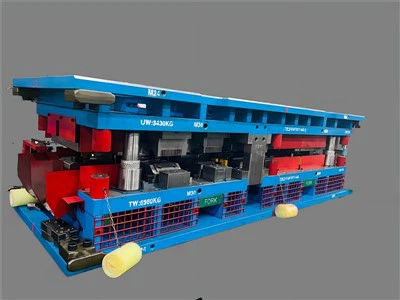
In some cases, using the right dies can also help troubleshoot problems in CNC turning parts manufacturing. For example, different types of dies can be used for stamping and forming operations. You might want to check out our single casting die, Progressive casting die, or Transfer Die options, which can be used in conjunction with CNC turning to create high-quality parts.
Preventive Maintenance
One of the best ways to avoid problems in CNC turning is to perform regular preventive maintenance on your machines.
- Clean and Lubricate: Keep the lathe clean and well-lubricated. This helps to prevent wear and tear on the moving parts and ensures smooth operation.
- Check the Electrical System: The electrical system of the CNC machine is crucial for its proper functioning. Check the wiring, connectors, and sensors regularly for any signs of damage or wear.
- Calibrate the Machine: Regularly calibrate the machine to ensure accurate positioning and movement. This helps to maintain the precision of the parts being manufactured.
Quality Control
Implementing a strict quality control process is also essential for troubleshooting problems in CNC turning.


- Inspect the Parts Regularly: Use measuring tools such as micrometers, calipers, and gauges to check the dimensions of the parts during the manufacturing process. This allows you to catch any problems early and make adjustments as needed.
- Use Statistical Process Control (SPC): SPC involves collecting and analyzing data from the manufacturing process to identify trends and patterns. This can help you predict and prevent problems before they occur.
Conclusion
Troubleshooting problems in CNC turning parts manufacturing can be challenging, but with the right knowledge and approach, you can minimize downtime and produce high-quality parts. By understanding the common problems, using the right tools and dies, performing preventive maintenance, and implementing quality control measures, you can keep your manufacturing process running smoothly.
If you're in the market for high-quality CNC turning parts or have any questions about the manufacturing process, don't hesitate to reach out to us. We're here to help you with all your CNC turning needs and are ready to start a conversation about your next project.
References
- "CNC Machining Handbook" by Peter Smid
- "Manufacturing Engineering and Technology" by S. Kalpakjian and S. R. Schmid