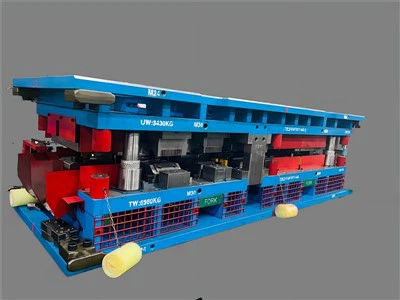
Hey there! As a supplier of Tandem Dies, I've seen firsthand the challenges that come with the noise these machines can generate. It's not just an annoyance; excessive noise can lead to a host of problems, from worker discomfort and potential hearing damage to compliance issues with noise regulations. In this blog, I'll share some practical tips on how to reduce the noise of a tandem die.
Understanding the Sources of Noise in Tandem Dies
Before we dive into solutions, it's important to understand where the noise in tandem dies comes from. Tandem dies are used in stamping operations, where they perform multiple stamping processes in sequence. The main sources of noise include:


- Impact Forces: When the die hits the metal sheet during the stamping process, it creates a loud impact noise. This is due to the sudden transfer of energy from the die to the material.
- Vibrations: The high - speed operation of the tandem die can cause vibrations in the machine components, such as the press frame, die holders, and punches. These vibrations are then transmitted through the structure and radiated as noise.
- Material Deformation: As the metal sheet is deformed during stamping, it can produce noise. The cracking and tearing sounds associated with material deformation contribute to the overall noise level.
Tips to Reduce Tandem Die Noise
1. Optimize Die Design
- Proper Clearance: Ensuring the right clearance between the punch and the die is crucial. If the clearance is too small, it can increase the impact force and noise during stamping. On the other hand, excessive clearance can lead to material burrs and uneven deformation, which also generate noise. We've found that a well - designed die with the correct clearance can significantly reduce impact noise.
- Smoothing Edges: Sharp edges on the die can cause higher stress concentrations during stamping, leading to louder noise. By smoothing the edges of the punches and dies, we can reduce the impact force and the associated noise. For example, using a grinding process to polish the edges can make a noticeable difference.
2. Improve Press Performance
- Balanced Operation: A press that is not properly balanced can cause excessive vibrations, which translate into noise. Regularly check and adjust the press to ensure that it operates smoothly. This may involve checking the alignment of the press components, such as the slide, crankshaft, and connecting rods.
- Damping Systems: Installing damping systems on the press can help absorb and dissipate vibrations. For instance, rubber or hydraulic dampers can be placed between the press and its foundation. These dampers act as shock absorbers, reducing the transmission of vibrations to the surrounding environment and thus lowering the noise level.
3. Use Noise - Absorbing Materials
- Enclosures: Building an enclosure around the tandem die can be an effective way to contain the noise. The enclosure can be made of materials with good sound - absorbing properties, such as acoustic foam or fiberglass. Make sure the enclosure is properly sealed to prevent noise leakage. However, it's important to ensure that the enclosure does not interfere with the normal operation of the die, such as access for maintenance and material loading.
- Lining the Die: Applying a noise - absorbing lining to the inside of the die can also help reduce noise. Some manufacturers use special rubber or polymer linings that can absorb the impact energy and reduce the noise generated during stamping.
4. Lubrication
- Proper Lubrication: Using the right lubricant can significantly reduce the noise in tandem dies. Lubricants reduce friction between the die and the metal sheet, which in turn reduces the impact force and noise during stamping. Make sure to use a lubricant that is suitable for the specific stamping application and the type of material being used. Regularly check and replenish the lubricant to maintain its effectiveness.
The Benefits of Reducing Tandem Die Noise
Reducing the noise of a tandem die offers several benefits. Firstly, it improves the working environment for employees. Workers are less likely to experience fatigue and hearing problems, which can lead to increased productivity and fewer absenteeism. Secondly, it helps the company comply with noise regulations. Many countries and regions have strict noise limits in industrial settings, and reducing tandem die noise can prevent potential fines and legal issues.
Conclusion
Reducing the noise of a tandem die is a multi - faceted challenge, but it's definitely achievable. By optimizing die design, improving press performance, using noise - absorbing materials, and ensuring proper lubrication, we can make a significant difference in the noise level. If you're in the market for a Tandem Die or need help with reducing the noise of your existing die, don't hesitate to reach out. We also offer Progressive Die Tooling and Microwave Oven Die solutions. Contact us to start a discussion about your specific needs and how we can help you achieve a quieter and more efficient stamping operation.
References
- Stamping Die Handbook, Second Edition
- Industrial Noise Control and Acoustics, Third Edition
- Handbook of Metal Forming Processes