Hey there! I'm a supplier of stamping parts, and let me tell you, mass - producing these parts comes with its fair share of challenges. But don't worry, I've got some tips and tricks up my sleeve to help you overcome them.
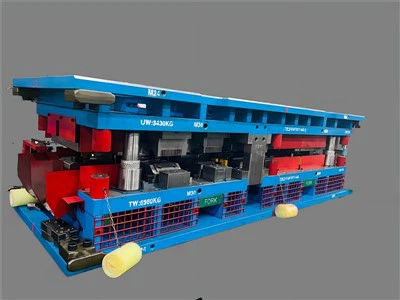
First off, let's talk about tooling. Tooling is the heart and soul of stamping part production. A well - designed and maintained tool can make all the difference in mass production. One of the biggest challenges is tool wear. Over time, the constant pressure and friction during the stamping process can cause the tools to wear out. This can lead to inconsistent part dimensions and poor surface quality.
To tackle tool wear, regular maintenance is key. We need to have a strict schedule for tool inspection and maintenance. For example, we should check the cutting edges of the tools frequently. If we notice any signs of wear, we can either re - sharpen them or replace the worn - out parts. Also, using high - quality tool materials can significantly reduce wear. Some advanced tool steels are designed to withstand high - stress environments, which are perfect for mass stamping operations.
Another challenge in mass - producing stamping parts is material selection. The wrong material can lead to all sorts of problems. For instance, if the material is too hard, it can cause excessive tool wear. On the other hand, if it's too soft, the parts may not have the required strength and durability.
When choosing materials, we need to consider the end - use of the stamping parts. If we're making Precision Stamped Parts, we need materials that can be formed precisely. For applications where corrosion resistance is important, we should opt for stainless steel or other corrosion - resistant alloys. And if we're producing Medical and Fiber Optic Parts, biocompatible materials are a must.
Quality control is also a major hurdle in mass production. With a large number of parts being produced, it's easy for defects to slip through the cracks. Inconsistent part dimensions, surface defects, and internal flaws are common quality issues.
To ensure high - quality mass production, we need to implement a comprehensive quality control system. This includes in - process inspections at various stages of production. For example, we can use automated inspection equipment to check the dimensions of the parts as they come off the stamping press. We can also perform visual inspections to detect surface defects. And for internal flaws, techniques like ultrasonic testing can be very effective.
Cost management is another aspect that can be challenging in mass - producing stamping parts. There are many cost factors involved, such as raw material costs, tooling costs, labor costs, and energy costs.
To keep costs under control, we can look for ways to optimize our production processes. For example, we can try to reduce material waste by improving the nesting of the parts on the raw material sheets. This way, we can use more of the material and reduce scrap. We can also invest in energy - efficient equipment to lower energy costs. And by training our employees to work more efficiently, we can reduce labor costs.
Production efficiency is crucial in mass production. Delays in the production line can lead to increased costs and missed deadlines. One common cause of inefficiency is machine downtime. If a stamping press breaks down, it can halt the entire production process.
To improve production efficiency, we need to have a preventive maintenance program for our machines. This means regularly servicing the stamping presses, lubricating the moving parts, and replacing worn - out components before they cause a breakdown. We can also invest in backup equipment to minimize the impact of machine failures.
Now, let's talk about the importance of having a skilled workforce. In mass - producing stamping parts, having employees who know their stuff is essential. They need to be able to operate the stamping equipment correctly, perform maintenance tasks, and troubleshoot problems.
We should provide regular training to our employees to keep their skills up - to - date. This can include training on new stamping techniques, the use of advanced inspection equipment, and safety procedures. A well - trained workforce can not only improve the quality of the parts but also increase production efficiency.
In addition to these challenges, we also need to deal with market competition. There are many other stamping parts suppliers out there, and we need to find ways to stand out. One way to do this is by offering high - quality products at competitive prices. We can also provide excellent customer service, such as fast delivery times and responsive after - sales support.
Another way to differentiate ourselves is by investing in research and development. By constantly looking for new materials, techniques, and designs, we can offer innovative stamping parts that meet the changing needs of our customers.
So, there you have it! These are some of the main challenges in mass - producing stamping parts and how we can overcome them. If you're in the market for stamping parts, I'd love to have a chat with you. Whether you need a small batch or a large - scale mass production, we've got the expertise and resources to meet your needs. Let's talk about your requirements and see how we can work together to get you the best stamping parts possible.


References:
- Various industry reports on stamping part production
- Technical manuals of stamping equipment manufacturers
- Research papers on materials science related to stamping parts