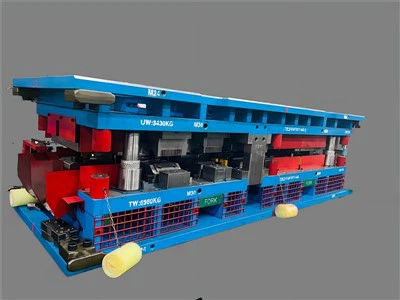
In the highly competitive manufacturing industry, enhancing the productivity of a washer stamping die production line is crucial for businesses to stay ahead. As a washer stamping die supplier, I've witnessed firsthand the challenges and opportunities that come with optimizing production processes. This blog post will delve into practical strategies and best practices to boost the efficiency of your washer stamping die production line.
Understanding the Basics of Washer Stamping Die Production
Before we explore ways to improve productivity, it's essential to understand the fundamental components of a washer stamping die production line. The process typically involves several key steps, including material preparation, die design and manufacturing, stamping operations, and quality control. Each stage plays a vital role in determining the overall efficiency and output of the production line.
Material preparation is the first step in the process. High - quality materials, such as steel sheets, are carefully selected based on the specific requirements of the washers. The material must be of the right thickness, strength, and surface finish to ensure the durability and functionality of the final product.
Die design and manufacturing are critical aspects of the production line. A well - designed die can significantly improve the stamping process, reducing waste and increasing the speed of production. There are different types of dies used in washer stamping, such as Tandem Die and Progressive Die Tooling. Tandem dies allow multiple operations to be carried out simultaneously, while progressive die tooling enables a continuous stamping process, enhancing efficiency.
Stamping operations involve using a press to shape the material into the desired washer form. The quality of the stamping process depends on factors such as the press speed, pressure, and the accuracy of the die alignment.
Quality control is the final step to ensure that the produced washers meet the required standards. This includes inspecting the dimensions, surface finish, and mechanical properties of the washers.
Strategies to Improve Productivity
1. Optimize Die Design
- Use Advanced Design Software: Leveraging state - of - the - art design software can significantly improve the accuracy and efficiency of die design. These software tools allow for 3D modeling, simulation, and analysis, enabling designers to identify potential issues and make necessary adjustments before manufacturing the die.
- Standardize Die Components: Standardizing die components can reduce manufacturing time and costs. By using common parts and interchangeable components, it becomes easier to assemble, maintain, and repair the dies. This also enables faster replacement of worn - out parts, minimizing downtime.
- Incorporate Modular Design Concepts: Modular die design allows for greater flexibility in the production process. Different modules can be easily swapped or combined to produce different types of washers, reducing the need for extensive die re - tooling.
2. Upgrade Equipment and Technology
- Invest in High - Speed Presses: High - speed presses can significantly increase the production rate of the stamping process. They are designed to operate at higher speeds while maintaining accuracy and precision. By replacing older, slower presses with new high - speed models, you can achieve a substantial boost in productivity.
- Automate the Production Line: Automation can eliminate manual labor, reduce human error, and increase the speed of production. Automated material handling systems, robotic arms for die loading and unloading, and automated quality control equipment can all contribute to a more efficient production line.
- Implement Real - Time Monitoring Systems: Real - time monitoring systems can track the performance of the production line, including press speed, die temperature, and material usage. By collecting and analyzing this data, you can identify bottlenecks and inefficiencies in the process and take corrective actions promptly.
3. Improve Material Management
- Source High - Quality Materials: Using high - quality materials is essential for ensuring the quality and durability of the washers. Establish strong relationships with reliable material suppliers to ensure a consistent supply of high - grade materials.
- Optimize Material Cutting and Nesting: Efficient material cutting and nesting can reduce waste and increase the yield of the production process. Advanced cutting technologies and nesting algorithms can be used to maximize the use of the material sheets, minimizing scrap.
- Implement a Just - in - Time (JIT) Inventory System: A JIT inventory system can help reduce inventory costs and improve the flow of materials in the production line. By ordering materials only when they are needed, you can avoid overstocking and minimize the risk of material obsolescence.
4. Enhance Operator Training and Skills
- Provide Comprehensive Training Programs: Offer regular training programs for operators to keep them updated on the latest technologies and best practices in washer stamping die production. Training should cover topics such as die operation, maintenance, safety procedures, and quality control.
- Encourage Skill Development and Certification: Encourage operators to develop their skills and obtain relevant certifications. This not only improves their job performance but also boosts their motivation and job satisfaction.
- Foster a Culture of Continuous Improvement: Create a work environment where operators are encouraged to share ideas for process improvement. Regularly review and implement suggestions from the shop floor to drive continuous improvement in the production line.
5. Strengthen Maintenance and Repair Practices
- Establish a Preventive Maintenance Schedule: A preventive maintenance schedule is crucial for ensuring the long - term reliability of the production line. Regularly inspect, clean, and lubricate the dies and equipment to prevent breakdowns and extend their service life.
- Keep Spare Parts in Stock: Maintaining an adequate inventory of spare parts can minimize downtime in case of equipment failure. Identify the critical spare parts for your production line and keep a sufficient supply on hand.
- Partner with Experienced Maintenance Providers: In case of complex repairs or maintenance tasks, consider partnering with experienced maintenance providers. They have the expertise and resources to quickly diagnose and fix issues, reducing production disruptions.
Case Study: A Successful Productivity Improvement Project
Let's take a look at a real - world example of how a washer stamping die production line was able to improve its productivity. A company that was struggling with low production rates and high waste decided to implement a comprehensive improvement plan.
First, they optimized their die design by using advanced software to create more efficient progressive die tooling. This allowed them to reduce the number of operations per stamping cycle and increase the accuracy of the washers.
Second, they upgraded their equipment by investing in high - speed presses and automated material handling systems. The new presses were able to operate at a much higher speed, and the automated systems reduced the time spent on manual labor.
Third, they improved their material management by implementing a JIT inventory system and using advanced nesting algorithms. This reduced material waste and improved the overall material utilization rate.
Fourth, they provided extensive training to their operators on the new equipment and processes. This helped them to operate the production line more efficiently and effectively.


Finally, they established a strict preventive maintenance schedule and kept a well - stocked inventory of spare parts. This minimized equipment downtime and ensured the continuous operation of the production line.
As a result of these improvements, the company was able to increase its production rate by 30%, reduce waste by 20%, and improve the overall quality of the washers.
Conclusion
Improving the productivity of a washer stamping die production line requires a comprehensive approach that addresses all aspects of the production process, from die design and equipment technology to material management and operator training. By implementing the strategies outlined in this blog post, you can enhance the efficiency of your production line, reduce costs, and improve the quality of your products.
As a washer stamping die supplier, we are committed to helping our customers achieve their productivity goals. We offer a wide range of high - quality Washer Stamping Die, including Tandem Die and Microwave Oven Die solutions, to meet the diverse needs of the manufacturing industry. If you're looking to improve the productivity of your washer stamping die production line, we encourage you to contact us for a consultation. Our team of experts will work closely with you to develop a customized solution that fits your specific requirements. Let's work together to take your production line to the next level.
References
- Smith, J. (2020). "Advanced Stamping Die Design and Manufacturing". Manufacturing Press.
- Johnson, A. (2021). "Optimizing Production Processes in the Stamping Industry". Industrial Journal.
- Brown, C. (2022). "Material Management Strategies for Stamping Die Production". Materials Science Review.