Rust is a common and persistent problem that can significantly affect the performance and lifespan of machined parts. As a machined parts supplier, I've encountered this issue numerous times and have gained valuable insights into how to effectively deal with rust. In this blog, I'll share some practical strategies and solutions to help you manage rust on machined parts.
Understanding Rust and Its Impact on Machined Parts
Rust is essentially the oxidation of iron and its alloys when they come into contact with oxygen and moisture. This chemical reaction forms iron oxide, which appears as a reddish - brown flaky substance on the surface of the metal. For machined parts, rust can have several detrimental effects.
Firstly, it can compromise the dimensional accuracy of the parts. As rust forms and flakes off, it can change the size and shape of the component, making it difficult to fit properly in an assembly. This is especially critical for precision - machined parts used in industries such as aerospace and automotive, where even the slightest deviation can lead to performance issues or safety risks.
Secondly, rust weakens the structural integrity of the parts. The formation of iron oxide eats away at the metal, reducing its strength and making it more prone to cracking and breaking under stress. This can result in costly downtime and repairs, as well as potential damage to other components in the system.
Finally, rust can also affect the appearance of the machined parts. In industries where aesthetics matter, such as consumer electronics or high - end machinery, rusty parts can give a poor impression of the overall quality of the product.

Preventive Measures Against Rust
Material Selection
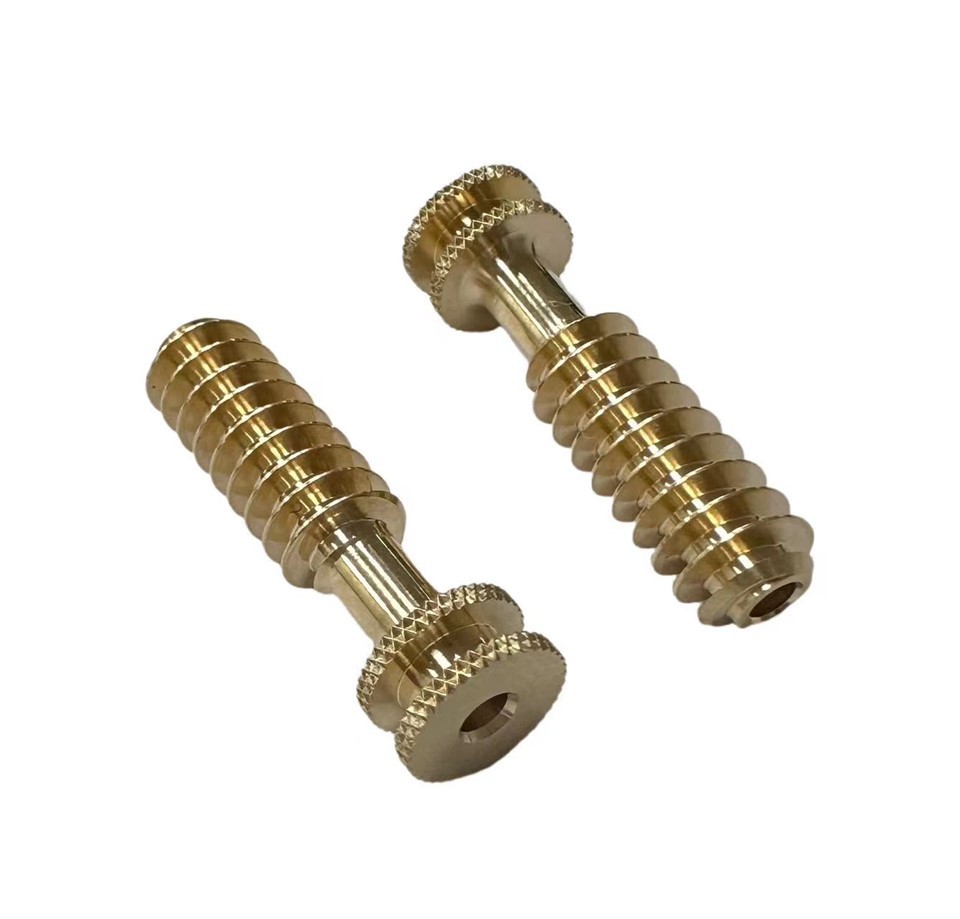
One of the most effective ways to prevent rust is to choose the right materials for your machined parts. Stainless steel is a popular choice as it contains chromium, which forms a passive oxide layer on the surface of the metal. This layer acts as a barrier, preventing oxygen and moisture from reaching the underlying iron and thus inhibiting rust formation. Other corrosion - resistant materials include aluminum, titanium, and Brass Parts. Brass is an alloy of copper and zinc, and it has good resistance to corrosion in many environments.
Surface Treatments
Applying surface treatments can also provide an additional layer of protection against rust. One common method is galvanizing, which involves coating the steel parts with a layer of zinc. Zinc is more reactive than iron, so when the zinc coating is exposed to oxygen and moisture, it corrodes first, protecting the underlying steel.
Another option is powder coating. This process involves applying a dry powder to the surface of the machined parts and then heating it to form a hard, durable finish. Powder coatings can provide excellent corrosion resistance, as well as a wide range of colors and finishes.

Storage and Handling
Proper storage and handling of machined parts are crucial for preventing rust. Parts should be stored in a dry, clean environment with low humidity. If possible, use desiccants to absorb moisture in the storage area. When handling the parts, make sure your hands are clean and dry to avoid transferring moisture and contaminants to the surface of the metal. Additionally, parts should be protected with appropriate packaging materials, such as plastic bags or anti - rust paper, to prevent contact with moisture and oxygen.
Removing Rust from Machined Parts
If rust has already formed on your machined parts, there are several methods you can use to remove it.
Mechanical Methods
Mechanical methods involve physically removing the rust from the surface of the metal. One of the simplest ways is to use sandpaper or a wire brush to scrub away the rust. For more stubborn rust, you can use a grinder or a sandblaster. However, these methods can be time - consuming and may damage the surface of the part if not done carefully.
Chemical Methods
Chemical rust removers are another option. These products typically contain acids or other chemicals that react with the rust and dissolve it. When using chemical rust removers, it's important to follow the manufacturer's instructions carefully, as these chemicals can be hazardous. You should wear appropriate protective gear, such as gloves and goggles, and work in a well - ventilated area.
Electrolysis
Electrolysis is a more advanced method for removing rust. It involves immersing the rusty part in an electrolyte solution and applying an electric current. The electric current causes the rust to break down and be removed from the surface of the metal. Electrolysis is a relatively gentle method that can be used on delicate or complex parts without causing damage.
Case Studies: Successful Rust Management
Let's take a look at some real - world examples of how rust management strategies have been applied to machined parts.
In the automotive industry, a manufacturer was experiencing rust issues with its engine components. By switching to stainless steel for some of the critical parts and applying a powder coating to the others, they were able to significantly reduce the incidence of rust. This not only improved the performance and reliability of the engines but also reduced the warranty claims related to rust - related failures.
In the electronics industry, a company was using Self - clinching Nuts and Self - clinching Flush Fasteners in their products. These parts were prone to rusting in humid environments. By implementing a strict storage and handling protocol, including using desiccants in the storage bins and protecting the parts with anti - rust paper during shipping, they were able to prevent rust from forming on these critical components.
Conclusion
Rust is a serious problem that can have a significant impact on the performance, lifespan, and appearance of machined parts. However, by understanding the causes of rust and implementing effective preventive and remedial measures, you can minimize its effects. As a machined parts supplier, I'm committed to providing high - quality parts that are resistant to rust and other forms of corrosion. If you're facing rust issues with your machined parts or are looking for rust - resistant solutions, I encourage you to reach out to me for a discussion. Whether you need advice on material selection, surface treatments, or rust removal methods, I'm here to help you find the best solution for your specific needs. Let's work together to ensure the long - term performance and reliability of your machined parts.
References
- "Corrosion of Metals" by Uhlig, H. H.
- "Handbook of Corrosion Engineering" by Shoji, T.
- "Surface Engineering for Corrosion and Wear Resistance" by Matthews, A. and Leyland, A.