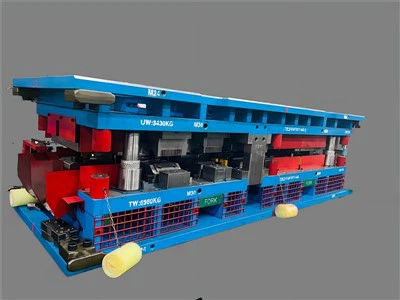
Hey there! I'm a supplier of self - clinching nuts, and today I want to chat about how these little guys can impact the strength of the base material.
Let's start with a quick intro to self - clinching nuts. These are fasteners that are designed to be pressed into a pre - drilled or punched hole in a base material, like metal sheets. Once they're pressed in, they create a permanent, threaded connection. They're super handy in a whole bunch of industries, from electronics to automotive, because they offer a reliable way to attach parts without the need for welding or other more complex joining methods.
How Self - Clinching Nuts Work
When you press a self - clinching nut into a base material, the design of the nut is key. Most self - clinching nuts have some kind of knurl or serration on their outer surface. When the nut is pressed into the hole, these knurls bite into the base material. This creates a mechanical bond that holds the nut in place.
As the nut is pressed in, the material around the hole is displaced. This displacement creates a cold - working effect. Cold working is a process where the material is deformed at room temperature, which can actually increase its strength. The displaced material flows into the knurls of the nut, locking it securely and also changing the microstructure of the base material in the area around the nut.
Positive Effects on Base Material Strength
One of the big upsides of using self - clinching nuts is the potential to increase the local strength of the base material. The cold - working process I mentioned earlier can make the material around the nut stronger. This is because the deformation caused by the nut installation aligns the grains in the metal, making it more resistant to further deformation.
For example, in a thin - gauge metal sheet, a self - clinching nut can add significant strength in the area where it's installed. This can be really important in applications where the sheet metal needs to support a load or resist stress. The nut acts as a reinforcement, and the cold - worked area around it can handle more force without failing.
Another advantage is that self - clinching nuts distribute the load more evenly across the base material. When you attach a part using a self - clinching nut, the force is spread out over a larger area compared to other fastening methods. This reduces the stress concentration at any one point, which can prevent the material from cracking or failing under load.
Negative Effects on Base Material Strength
However, it's not all sunshine and rainbows. There are also some potential negative impacts on the base material strength. One issue is that if the installation process isn't done correctly, it can cause damage to the base material. For example, if too much force is used when pressing the nut in, it can cause the material around the hole to crack. This is especially true for brittle materials or materials with low ductility.
The cold - working process, while it can increase strength in some cases, can also make the material more brittle in the affected area. If the base material is already close to its maximum strength, the additional cold working from the nut installation can push it over the edge and lead to premature failure.
Also, if the hole size in the base material isn't accurate, it can affect the performance of the self - clinching nut. If the hole is too large, the nut may not be properly seated, and the mechanical bond may be weak. On the other hand, if the hole is too small, it can cause excessive stress on the base material during installation, which can lead to cracking or other damage.
Factors Affecting the Impact on Base Material Strength
Several factors can influence how self - clinching nuts affect the strength of the base material. The first is the type of base material. Different metals have different properties, such as hardness, ductility, and strength. For example, aluminum is a relatively soft and ductile metal, so it can generally tolerate the cold - working process better than a hard and brittle metal like some types of stainless steel.
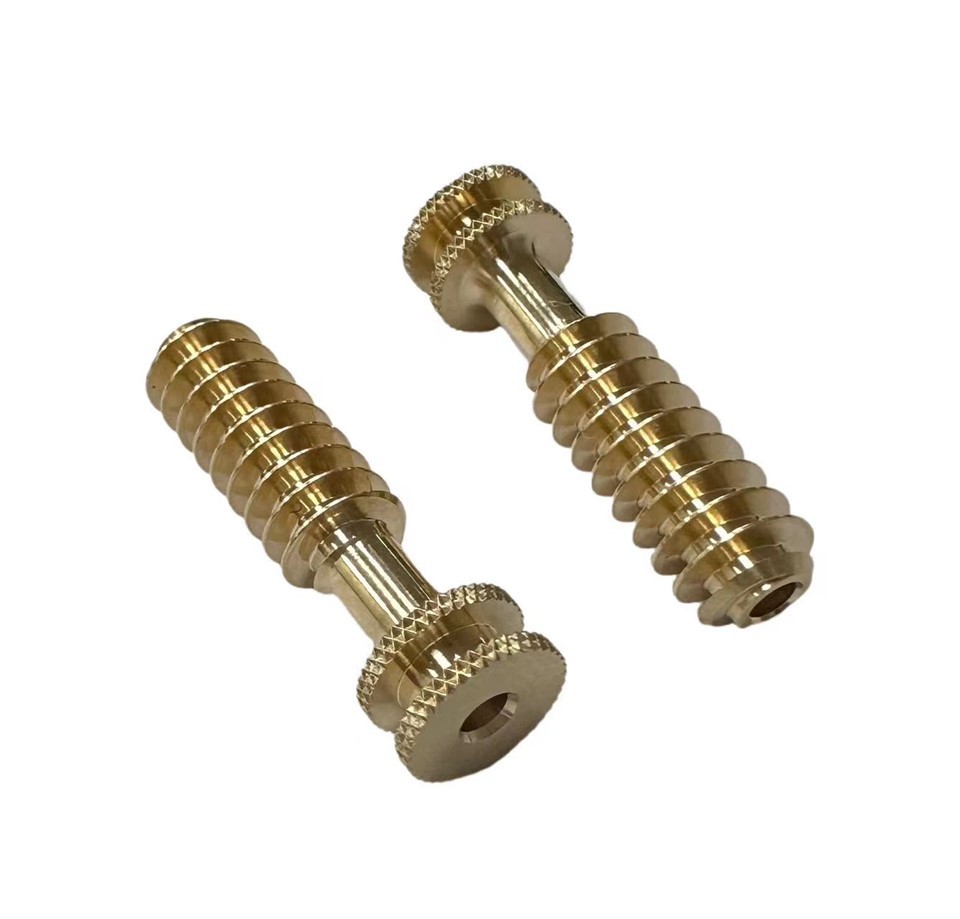

The thickness of the base material also matters. Thicker materials can usually handle the installation of self - clinching nuts better than thinner ones. Thicker materials have more material to displace during the cold - working process, which can lead to a stronger bond between the nut and the base material.
The design of the self - clinching nut is another important factor. Nuts with different knurl patterns or geometries can have different effects on the base material. Some designs may be more suitable for certain materials or applications than others. For example, a nut with a more aggressive knurl may create a stronger bond but could also cause more damage to the base material during installation.
Real - World Applications
In the electronics industry, self - clinching nuts are commonly used to attach components to printed circuit boards (PCBs). The strength of the base material, usually a thin metal sheet or a plastic substrate, is crucial for the proper functioning of the electronics. Self - clinching nuts can provide a reliable and strong connection without adding too much weight or bulk. The cold - working effect can also help to prevent the nut from loosening over time due to vibrations or other mechanical stresses.
In the automotive industry, self - clinching nuts are used in a variety of applications, from attaching interior components to securing engine parts. The ability of the nuts to distribute the load evenly across the base material is especially important in this industry, where parts are often subjected to high levels of stress and vibration. For example, in a car's suspension system, self - clinching nuts can be used to attach brackets to the frame, providing a strong and durable connection.
Related Products
If you're interested in other types of fasteners or machined parts, check out our Turned Parts and Brass Parts. We also have a great selection of Self - clinching Flush Fasteners that offer a sleek and low - profile solution for your fastening needs.
Conclusion
Self - clinching nuts can have both positive and negative effects on the strength of the base material. When installed correctly, they can increase the local strength of the material, distribute the load evenly, and provide a reliable and permanent connection. However, improper installation or the wrong choice of nut can lead to damage and reduced strength.
If you're considering using self - clinching nuts in your project, it's important to choose the right nut for your base material and application. You should also follow the manufacturer's installation guidelines carefully to ensure the best results.
If you have any questions or are interested in purchasing self - clinching nuts, feel free to reach out for a chat about your specific needs and how we can help you find the perfect solution.
References
- "Fastening and Joining Handbook" by John H. Bickford
- "Mechanical Design of Machine Elements and Machines: A Failure Prevention Perspective" by Robert C. Juvinall and Kurt M. Marshek