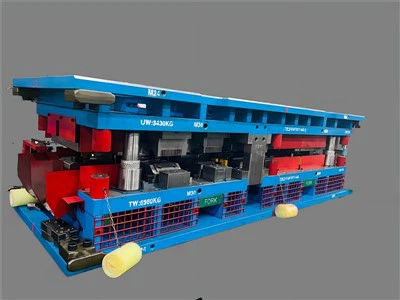
Brass parts have long been a staple in various industrial applications, and their role in chemical processing plants is no exception. As a trusted supplier of high - quality brass parts, I've had the privilege of witnessing firsthand how these components contribute to the efficiency and reliability of chemical processing operations. In this blog, we'll explore the performance of brass parts in chemical processing plants from multiple perspectives.
Material Properties of Brass in Chemical Environments
Brass is an alloy composed primarily of copper and zinc, with varying proportions of other elements that can be added to enhance specific properties. One of the most significant advantages of brass is its relatively good corrosion resistance. In many chemical processing plants, different types of chemicals are present, and corrosion can be a major threat to the integrity of equipment.
In mildly corrosive environments such as those containing dilute acids or alkalis, brass can form a protective oxide layer on its surface. This layer acts as a barrier, preventing further corrosion of the underlying metal. For example, in some chemical storage and transfer systems where low - concentration sulfuric acid is handled, brass pipes and fittings can maintain their structural integrity for an extended period.
However, it's important to note that the corrosion resistance of brass is not universal. In highly aggressive chemical environments, such as those with concentrated acids or strong oxidizing agents, brass may experience corrosion. For instance, concentrated nitric acid can react vigorously with brass, dissolving the metal and causing rapid degradation of the parts.
Mechanical Performance in Chemical Processing
In chemical processing plants, equipment is often subjected to various mechanical stresses. Brass parts are able to withstand a certain amount of pressure and mechanical shock. Their good ductility makes them suitable for forming operations, allowing for the production of complex - shaped parts using processes like CNC Precision Machined Parts and Brass CNC Machining Service.


For example, in pumps and valves used in chemical processing, brass components need to operate under high - pressure conditions. The mechanical strength of brass ensures that these parts can handle the forces exerted during the pumping and valve - closing processes without failure. Additionally, the relatively low friction coefficient of brass surfaces can reduce wear in moving parts, extending the service life of equipment.
Thermal Conductivity and Its Impact
Thermal management is a crucial aspect of chemical processing. Many chemical reactions are exothermic or endothermic, and maintaining the right temperature is essential for process efficiency and product quality. Brass has a relatively high thermal conductivity compared to some other metals.
This property allows brass parts to quickly transfer heat, which is beneficial in heat - exchanger applications. In a chemical processing plant, heat exchangers are used to heat or cool chemical substances. Brass tubes in heat exchangers can efficiently transfer heat between the hot and cold fluids, improving the overall heat - transfer efficiency of the system.
Compatibility with Sealing and Gasket Materials
In chemical processing plants, proper sealing is vital to prevent leaks of hazardous chemicals. Brass parts need to be compatible with various sealing and gasket materials. Fortunately, brass generally has good compatibility with common sealing materials such as rubber and PTFE.
When brass is used in conjunction with rubber gaskets, for example, there is usually no significant chemical reaction between the two materials. This ensures a tight seal and reduces the risk of chemical leakage. The smooth surface finish of brass parts also helps in achieving a better seal with gaskets, enhancing the overall safety and reliability of the equipment.
Applications of Brass Parts in Chemical Processing Plants
Piping Systems
Brass pipes and fittings are widely used in chemical processing plants for the transportation of various chemicals. Their corrosion resistance and ease of installation make them a popular choice. For small - scale chemical transfer systems, brass pipes can be easily cut and joined using standard plumbing techniques. In addition, brass fittings such as elbows, tees, and couplings provide flexibility in designing the piping layout.
Valves and Actuators
Valves are essential components in chemical processing, controlling the flow of chemicals. Brass valves, including ball valves, gate valves, and globe valves, are commonly used due to their durability and corrosion resistance in many chemical environments. Actuators made of brass can provide reliable operation, ensuring accurate control of the valve opening and closing.
Instrumentation Components
Brass is also used in the manufacturing of instrumentation components such as pressure gauges and flow meters. These components need to be accurate and reliable, and the mechanical and corrosion - resistant properties of brass make it suitable for such applications. For example, the housing of a pressure gauge made of brass can protect the internal measuring elements from chemical corrosion and mechanical damage.
Considerations When Using Brass Parts in Chemical Processing
While brass has many advantages in chemical processing plants, there are some considerations that need to be taken into account.
Chemical Compatibility
As mentioned earlier, brass may not be suitable for all chemical environments. Before using brass parts in a specific chemical process, it's crucial to conduct a thorough analysis of the chemical compatibility. This may involve consulting chemical compatibility charts or conducting small - scale tests to ensure that the brass parts will not be corroded or degraded over time.
Temperature and Pressure Limits
Each brass part has its own temperature and pressure limits. In high - temperature or high - pressure chemical processes, care must be taken to ensure that the brass parts are not operating beyond their design limits. Exceeding these limits can lead to mechanical failure or accelerated corrosion.
Maintenance and Inspection
Regular maintenance and inspection are necessary to ensure the long - term performance of brass parts in chemical processing plants. This can include cleaning the parts to remove any chemical residues, checking for signs of corrosion or wear, and replacing any damaged components in a timely manner.
Conclusion
In summary, brass parts play a significant role in chemical processing plants. Their corrosion resistance, mechanical performance, thermal conductivity, and compatibility with other materials make them suitable for a wide range of applications such as piping systems, valves, and instrumentation components. However, to ensure their optimal performance, it's essential to consider factors such as chemical compatibility, temperature and pressure limits, and regular maintenance.
If you're in the market for high - quality brass parts for your chemical processing plant, I'd encourage you to contact me for procurement discussions. As an experienced supplier, I can offer a wide range of Turned Parts and other brass components that meet the specific requirements of your chemical processing operations. Whether you need standard - sized parts or customized solutions, I'm here to provide you with the best products and services.
References
- Metals Handbook Committee, "Metals Handbook: Desk Edition", ASM International, 2nd Edition.
- ASTM International standards related to brass alloys and their applications in industrial environments.