Do auto bracket parts need to be torqued to a specific value during installation? This is a question that often arises in the automotive industry, and as a supplier of auto bracket parts, I'd like to delve into this topic in detail.
The Importance of Torque in Auto Bracket Part Installation
Torque is the measure of the force that causes an object to rotate around an axis. In the context of auto bracket part installation, it refers to the amount of force applied when tightening bolts or nuts that secure the brackets in place. Applying the correct torque is crucial for several reasons.
Firstly, proper torque ensures the structural integrity of the vehicle. Auto brackets are designed to support various components, such as engines, transmissions, and exhaust systems. If the brackets are not tightened to the specified torque, they may loosen over time due to vibrations and normal vehicle operation. This can lead to misalignment of the supported components, which in turn can cause premature wear and tear, and even mechanical failures. For example, an engine bracket that is not torqued correctly may allow the engine to shift slightly, putting additional stress on the engine mounts and other related parts.
Secondly, accurate torque values are essential for safety. Loose brackets can pose a significant safety risk, especially if they are supporting critical components. In extreme cases, a bracket that comes loose while the vehicle is in motion can cause the supported component to detach, potentially leading to a serious accident. For instance, an exhaust system bracket that is not properly torqued may allow the exhaust pipe to fall off, creating a hazard for other road users.
Factors Affecting Torque Requirements
The specific torque value required for auto bracket parts can vary depending on several factors. One of the primary factors is the type of material used in the bracket and the mating components. Different materials have different mechanical properties, such as hardness and elasticity, which can affect the amount of torque needed to achieve a secure connection. For example, brackets made of high-strength steel may require a higher torque value compared to those made of aluminum.
Another factor is the size and design of the bracket. Larger brackets or those with complex shapes may require more torque to ensure they are properly seated and secured. Additionally, the number and size of the bolts or nuts used to attach the bracket can also influence the torque requirements. More bolts or larger bolts generally require higher torque values to achieve the same level of clamping force.
The operating conditions of the vehicle also play a role in determining the appropriate torque value. Vehicles that are subjected to high levels of vibration, such as off-road vehicles or heavy-duty trucks, may require higher torque values to prevent the brackets from loosening. Similarly, vehicles that operate in extreme temperatures or corrosive environments may need special considerations when it comes to torque.
How to Determine the Correct Torque Value
As an auto bracket parts supplier, we understand the importance of providing our customers with accurate torque specifications. In most cases, the vehicle manufacturer will specify the recommended torque values for each bracket in the vehicle's service manual. These values are based on extensive testing and engineering analysis to ensure the optimal performance and safety of the vehicle.
If the vehicle manufacturer's specifications are not available, there are other methods to determine the appropriate torque value. One common approach is to use torque charts provided by bolt and nut manufacturers. These charts provide general guidelines based on the size and grade of the fasteners. However, it's important to note that these values are only approximate and may need to be adjusted based on the specific application.
Another option is to consult with a professional automotive engineer or technician. They have the expertise and experience to assess the specific requirements of the bracket installation and recommend the appropriate torque value. At our company, we also offer technical support to our customers, and our team of experts can assist in determining the correct torque values for our auto bracket parts.
Tools for Torque Application
To ensure that the auto bracket parts are installed with the correct torque, it's essential to use the right tools. A torque wrench is the most commonly used tool for this purpose. There are several types of torque wrenches available, including click-type, beam-type, and digital torque wrenches.
Click-type torque wrenches are the most popular choice due to their ease of use. They are designed to emit a clicking sound when the preset torque value is reached, indicating that the fastener has been tightened to the correct level. Beam-type torque wrenches, on the other hand, use a beam that deflects as torque is applied, and the user reads the torque value from a scale on the wrench. Digital torque wrenches provide a more accurate and precise measurement of torque and often have additional features such as memory and data logging.
In addition to torque wrenches, other tools such as socket wrenches, ratchets, and extensions may also be required for the installation of auto bracket parts. It's important to use high-quality tools that are in good condition to ensure accurate torque application.
Our Auto Bracket Parts and Torque Considerations
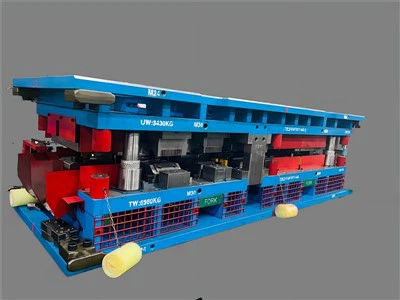
At our company, we take great pride in manufacturing high-quality auto bracket parts. We use advanced manufacturing processes, such as Transfer Die, Casting Progressive Die, and single casting die, to ensure the precision and consistency of our products.
When it comes to torque, we provide detailed torque specifications for each of our auto bracket parts. Our products are designed to meet or exceed the industry standards, and we ensure that the torque values recommended for our brackets are based on rigorous testing and engineering analysis. We also offer customization services to meet the specific requirements of our customers, and our team can work closely with you to determine the optimal torque values for your application.
Conclusion
In conclusion, auto bracket parts do need to be torqued to a specific value during installation. Proper torque is essential for ensuring the structural integrity, safety, and performance of the vehicle. The specific torque value can vary depending on several factors, including the type of material, size and design of the bracket, and operating conditions. It's important to use the right tools and follow the recommended torque specifications to ensure a secure and reliable installation.

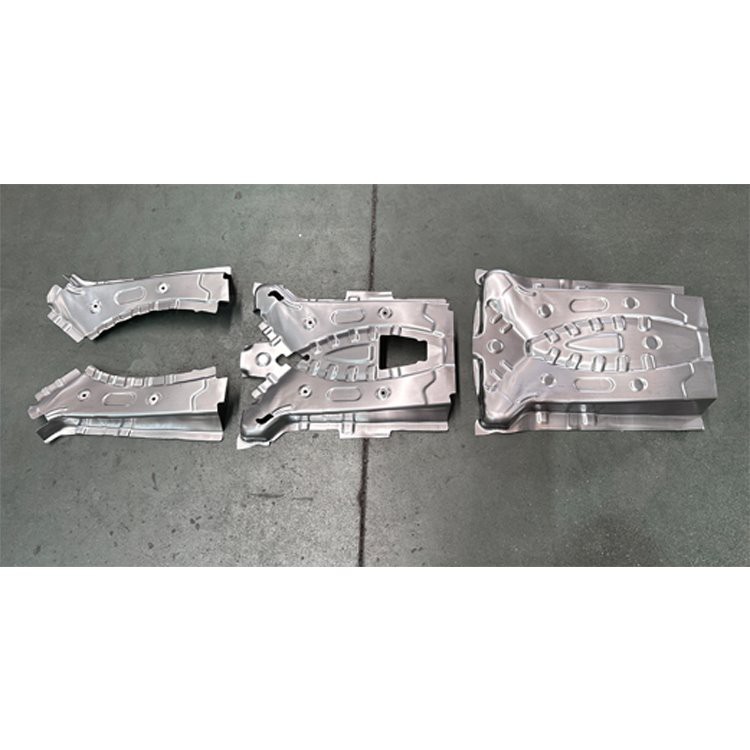
If you are in the market for high-quality auto bracket parts, we invite you to contact us for more information. Our team of experts is ready to assist you in selecting the right parts for your application and providing you with the necessary technical support. Whether you are an automotive manufacturer, a repair shop, or an individual enthusiast, we are committed to meeting your needs and providing you with the best products and services.
References
- Automotive Service Excellence (ASE) Standards
- Society of Automotive Engineers (SAE) Publications
- Vehicle Manufacturer Service Manuals