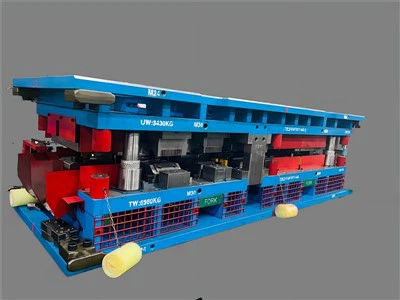
Hey there! As a supplier of self - clinching nuts, I often get asked if these little guys can be used in lighting fixtures. Well, let's dive right into it and find out.
First off, let's talk a bit about what self - clinching nuts are. They're fasteners that are designed to be pressed into a metal sheet or panel. Once they're in, they create a permanent and strong threaded insert. This means you don't have to worry about them coming loose easily, which is a huge plus in many applications.
Now, when it comes to lighting fixtures, there are a bunch of factors to consider. Lighting fixtures need to be reliable, safe, and sometimes, they need to look good too. Self - clinching nuts can play a big role in meeting these requirements.
One of the main advantages of using self - clinching nuts in lighting fixtures is their strength. Lighting fixtures often need to be assembled in a way that can withstand vibrations, especially if they're used in areas where there's a lot of movement or machinery. Self - clinching nuts create a solid connection between different parts of the fixture. For example, if you're attaching a light housing to a mounting bracket, a self - clinching nut can provide a secure hold that won't come undone over time.
Another benefit is the ease of installation. Installing self - clinching nuts is a relatively simple process. You just need to press them into the pre - drilled holes in the metal. This is much quicker than traditional methods like welding or using nuts and bolts that require additional tools and more time for assembly. In a manufacturing setting, this can lead to significant time savings and increased productivity.
Self - clinching nuts also offer a clean and professional look. In lighting fixtures, aesthetics can be important, especially for decorative or high - end lighting. Since self - clinching nuts are flush with the surface of the metal, they don't create any unsightly protrusions. This gives the fixture a smooth and finished appearance.
But it's not all sunshine and rainbows. There are a few things to watch out for when using self - clinching nuts in lighting fixtures. One concern is the material compatibility. Lighting fixtures can be made from a variety of materials, including different types of metals and plastics. Self - clinching nuts are typically designed for use with specific metals, like steel or aluminum. If you're using a non - compatible material, the nut may not install correctly or may not provide a strong enough hold.
The size and type of self - clinching nut also matter. You need to choose the right size to fit the holes in the fixture and the threads of the bolts you'll be using. Using the wrong size can lead to a loose fit or even damage to the fixture.

Let's take a look at some real - world examples. In industrial lighting, where fixtures are often exposed to harsh environments, self - clinching nuts can be a great choice. They can handle the vibrations and rough conditions without failing. For instance, in a factory setting, where there are large machines and constant movement, a lighting fixture with self - clinching nuts will stay securely in place.
In residential lighting, self - clinching nuts can also be a good option. For example, in pendant lights or wall sconces, they can provide a reliable connection between the different components. And because they look good, they won't detract from the overall design of the fixture.
Now, let's talk about some related products that might be useful in lighting fixtures. If you're interested in other types of fasteners, you can check out Self - clinching Flush Fasteners. These are similar to self - clinching nuts but may have different designs and applications.
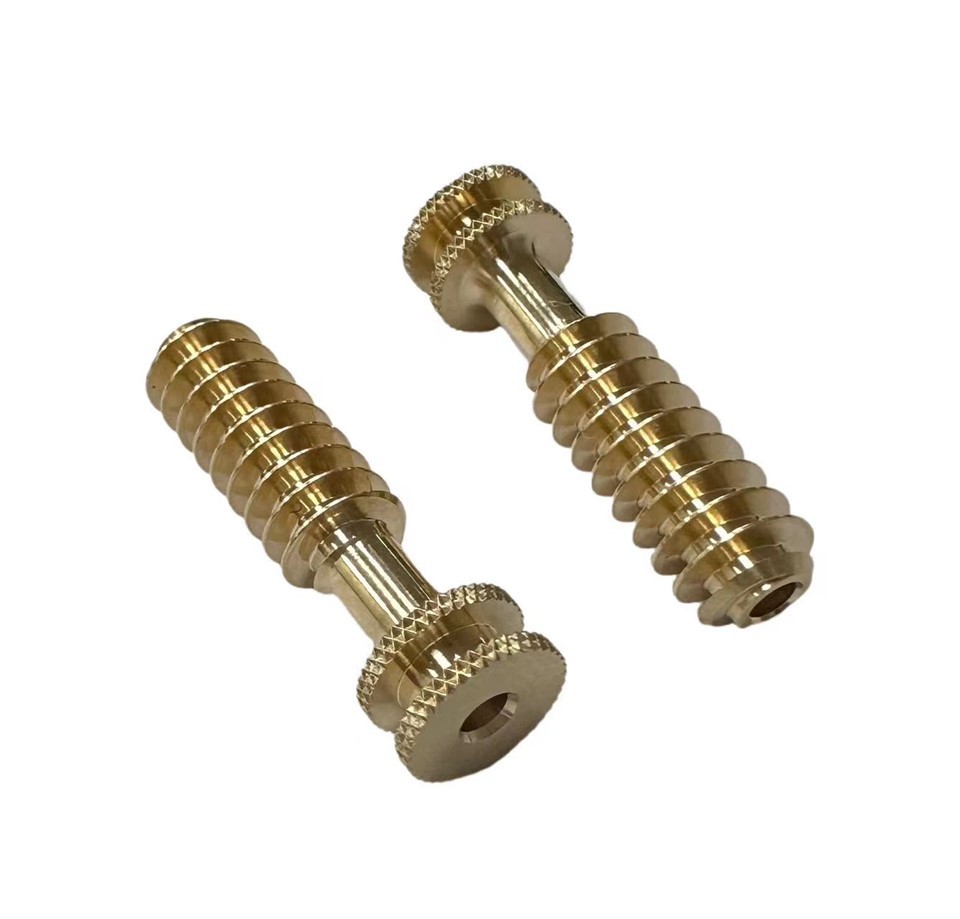
For those looking for parts made from brass, Brass Parts could be a great option. Brass has its own set of advantages, like good corrosion resistance and an attractive appearance, which can be beneficial in lighting fixtures.
And if you need precision - made parts, Turned Parts might be what you're after. These parts are made with high accuracy and can be used in various components of lighting fixtures.
So, can self - clinching nuts be used in lighting fixtures? The answer is a resounding yes. They offer many advantages in terms of strength, ease of installation, and aesthetics. However, you need to make sure you choose the right type and size for your specific fixture and consider the material compatibility.
If you're in the market for self - clinching nuts or any of the related products I mentioned, I'd love to have a chat with you. Whether you're a lighting manufacturer or a DIY enthusiast, we can work together to find the best solutions for your needs. Just reach out, and let's start the conversation about how self - clinching nuts can enhance your lighting fixtures.
References
- General knowledge of fasteners and lighting fixture manufacturing
- Industry experience in supplying self - clinching nuts