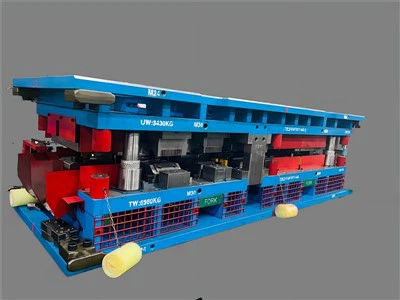
In the world of high-speed stamping, where precision, speed, and efficiency are paramount, sensors play an indispensable role. As a seasoned high-speed stamping supplier, I've witnessed firsthand how these remarkable devices have transformed the stamping industry. In this blog, I'll delve into the various functions that sensors perform in high-speed stamping operations, exploring their significance and impact on the production process.
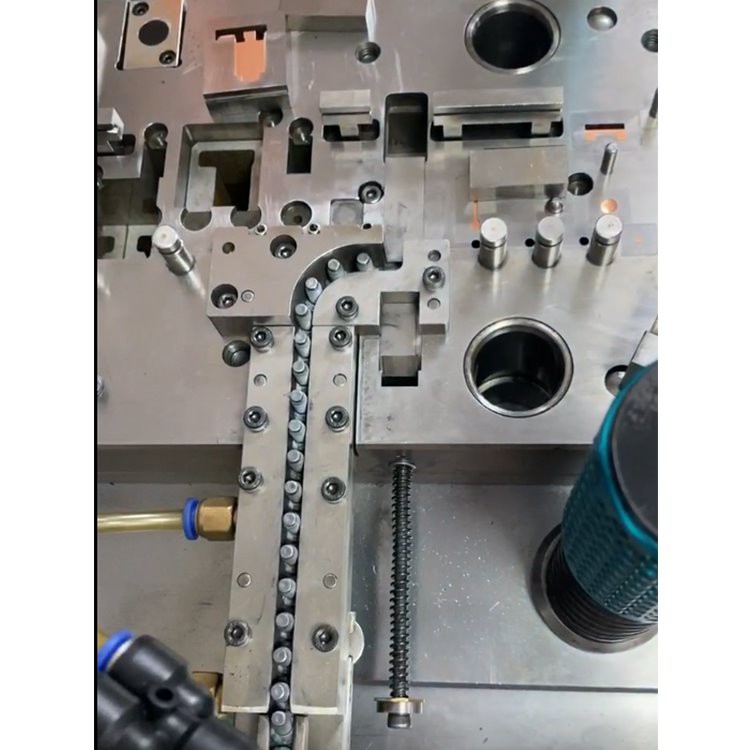

Quality Control
One of the primary functions of sensors in high-speed stamping is quality control. High-speed stamping is a fast-paced process, with hundreds or even thousands of parts produced per minute. Ensuring the quality of each part is crucial, as even a single defective part can lead to costly production delays and customer dissatisfaction.
Vision sensors are commonly used to inspect the stamped parts for defects such as cracks, burrs, and dimensional inaccuracies. These sensors use cameras and advanced image processing algorithms to capture and analyze the images of the parts, comparing them to pre-defined templates or specifications. Any deviations from the standard are immediately detected, and the defective parts are automatically rejected or marked for further inspection.
Force sensors are another type of sensor used for quality control in high-speed stamping. These sensors measure the force applied during the stamping process, providing real-time feedback on the quality of the stamping operation. By monitoring the force, manufacturers can detect any abnormal changes or fluctuations that may indicate a problem with the die or the stamping machine. For example, a sudden increase in force may suggest that the die is worn or damaged, while a decrease in force may indicate that the material is not being properly fed into the machine.
Process Monitoring
In addition to quality control, sensors also play a crucial role in process monitoring. High-speed stamping is a complex process that involves multiple variables, such as the speed of the stamping machine, the temperature of the die, and the pressure of the hydraulic system. Monitoring these variables in real-time is essential for ensuring the stability and efficiency of the stamping operation.
Speed sensors are used to measure the speed of the stamping machine, ensuring that it is operating within the specified range. By monitoring the speed, manufacturers can detect any changes or fluctuations that may affect the quality of the stamped parts or the performance of the machine. For example, if the speed of the machine is too high, it may cause excessive wear and tear on the die, while if the speed is too low, it may result in inefficient production.
Temperature sensors are used to monitor the temperature of the die during the stamping process. The temperature of the die can have a significant impact on the quality of the stamped parts, as well as the lifespan of the die. By monitoring the temperature, manufacturers can ensure that the die is operating within the optimal temperature range, preventing overheating and reducing the risk of damage to the die.
Pressure sensors are used to measure the pressure of the hydraulic system, which is responsible for providing the force necessary to perform the stamping operation. By monitoring the pressure, manufacturers can detect any leaks or malfunctions in the hydraulic system, ensuring that it is operating safely and efficiently.
Safety
Safety is another important consideration in high-speed stamping operations. The high speeds and forces involved in stamping can pose a significant risk to operators and other personnel in the vicinity. Sensors play a crucial role in ensuring the safety of the stamping operation by detecting potential hazards and providing early warnings.
Proximity sensors are commonly used to detect the presence of objects or personnel in the vicinity of the stamping machine. These sensors can detect when an operator's hand or other body part is too close to the moving parts of the machine, and automatically stop the machine to prevent accidents.
Emergency stop sensors are another type of sensor used for safety in high-speed stamping. These sensors are typically located on the control panel of the stamping machine and can be activated by the operator in case of an emergency. When the emergency stop sensor is activated, the machine immediately stops, preventing any further movement or operation.
Die Protection
The die is one of the most important components in a high-speed stamping operation, as it determines the shape and quality of the stamped parts. Protecting the die from damage is essential for ensuring the long-term performance and reliability of the stamping operation. Sensors play a crucial role in die protection by detecting any potential problems or abnormalities that may cause damage to the die.
Load sensors are used to measure the load or pressure applied to the die during the stamping process. By monitoring the load, manufacturers can detect any excessive forces or stresses that may cause damage to the die. If the load exceeds a pre-defined threshold, the stamping machine can be automatically stopped to prevent further damage to the die.
Position sensors are used to monitor the position of the die during the stamping process. These sensors can detect any misalignment or movement of the die, which may cause damage to the die or the stamped parts. If the position of the die deviates from the specified range, the stamping machine can be automatically adjusted or stopped to prevent further damage.
Cost Savings
In addition to improving quality, process monitoring, safety, and die protection, sensors can also contribute to significant cost savings in high-speed stamping operations. By detecting problems early and preventing them from escalating, sensors can reduce the downtime and maintenance costs associated with stamping machines and dies.
For example, by using vision sensors to inspect the stamped parts for defects, manufacturers can identify and reject defective parts before they are assembled into finished products. This can prevent costly recalls and rework, as well as improve customer satisfaction.
Similarly, by using force sensors and temperature sensors to monitor the stamping process, manufacturers can detect any potential problems with the die or the stamping machine early, allowing them to take corrective action before the problem becomes more serious. This can reduce the maintenance costs and downtime associated with the stamping operation.
Conclusion
In conclusion, sensors play a vital role in high-speed stamping operations, providing a wide range of functions that are essential for ensuring the quality, efficiency, safety, and reliability of the stamping process. As a high-speed stamping supplier, I understand the importance of using the latest sensor technology to optimize the performance of our stamping machines and dies.
If you're in the market for high-speed stamping services or products, I encourage you to [Contact Us] to learn more about how we can help you meet your stamping needs. We offer a wide range of stamping solutions, including Punch Riveting Die, Prototype Die, and Compound Tool And Progressive Tool, all of which are designed to meet the highest standards of quality and performance.
References
- Smith, J. (2020). High-Speed Stamping Technology: Principles and Applications. Springer.
- Jones, A. (2019). Sensor Technology for Manufacturing and Automation. Wiley.
- Brown, C. (2018). Quality Control in High-Speed Stamping Processes. ASME Press.